
This requires more than just simple maintenance on the lawn. Soil characteristics evolve, grass species grow old and weeds or pests evolve. Your existing plan might no longer be effective if your lawn does not look and perform as it should. The given blog describes the most widespread indicators that it is time to change your lawn care program, why these indicators are important, and how a more sophisticated program can secure the long-term health of your lawn. These details are particularly applicable to the homeowners who want to find effective solutions to Lawn Care Bronxville and Lawn Care Harrison NY.
Inconsistent Lawn Color and Growth
One of the earliest signs of an outdated lawn care program is uneven color or growth.
What to look for:
- Patchy green and yellow areas
- Thin grass near walkways or driveways
- Slow recovery after mowing
Such problems usually refer to the imbalance of nutrients or to tight soils. A contemporary lawn care program adapts the timing and nutrients ratios and treatments applied to the soil depending on the seasonal conditions and the type of grass used, as opposed to using a universal schedule.
Weeds Keep Coming Back
Occasional weeds are normal. Persistent weed problems are not.
Red flags include:
- Crabgrass returns every summer.
- Broadleaf weeds are spreading despite treatment.
- Weed patches are growing after rainfall.
Recurrent weeds normally indicate a mis-timing or ineffective post-emergent or pre-emergent application. The enhanced initiative is based on prevention as the main priority with the use of specific weed control in accordance with local weather and soil factors typical of Westchester County.
Increased Insect or Pest Activity

If you notice more lawn damage from insects or increased mosquito and tick presence, your current plan may not address pest control adequately.
Common signs:
- Brown patches caused by grubs
- Increased mosquito activity near turf
- Thinning grass despite proper watering
Modern lawn care programs integrate lawn-safe pest management to protect grass roots and reduce outdoor pest populations without overusing chemicals.
Poor Results Despite Regular Watering
Watering more does not always fix lawn problems. In fact, overwatering can make them worse.
Signs watering isn’t the issue:
- Water pools on the surface
- Soil feels hard or compacted.
- Grass remains weak after rainfall.
These problems point to soil compaction. Lawn aeration and overseeding are often missing from older Lawn Care Harrison NY. Upgraded programs include scheduled aeration to improve oxygen flow, water absorption and root development.
Your Lawn Needs Frequent Repairs
If your lawn constantly needs reseeding, patching, or corrective treatments, the program may be reactive instead of preventive.
A proactive lawn care plan should:
- Strengthen grass roots
- Improve soil health over time.
- Reduce the need for constant fixes.
Homeowners investing in Lawn Care Bronxville and Lawn Care Harrison, NY services benefit most from programs built around long-term lawn stability, not short-term cosmetic results.
Changing Property or Usage Needs
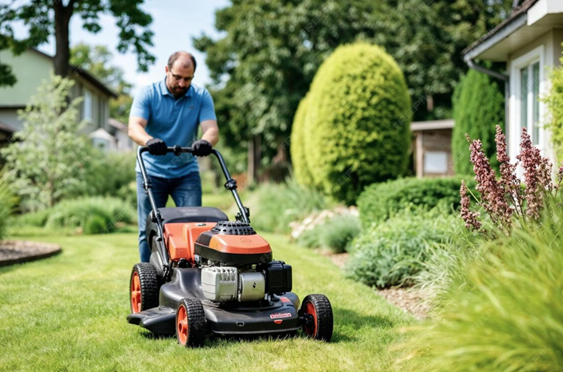
Lawn care needs change as properties evolves.
Examples include:
- New landscaping or hardscaping
- Increased foot traffic
- Shade changes from mature trees
An upgraded lawn care program adjusts treatments based on how the lawn is used, not just how it looks. This ensures consistent results year after year.
Conclusion
A proper lawn care program must change with your lawn, soil and local conditions. Indications such as repeatedly occurring weeds, poor growth, pest problems, and constant maintenance are indicative of the necessity of a more clever and individual approach. Enhancing the quality of your lawn care plan enhances healthier lawns and saves money in the long run, making the results more predictable.
When there is at least one of these indications in your lawn, it might be high time to reevaluate your existing strategy and cooperate with one of those providers that pay attention to the long-term performance of your lawn. To get professional advice, call Lawn King.
FAQs
1. How often should a lawn care program be updated?
Ans: A lawn care program should be reviewed annually to adjust for soil health, weather patterns, and grass condition.
2. Why does my lawn still have weeds after treatment?
Ans: Weeds often return when treatments are mistimed or not suited to local conditions. Prevention-based programs work best.
3. Does aeration really improve lawn health?
Ans: Yes. Aeration reduces soil compaction, improves water absorption, and helps nutrients reach grass roots.
4. Is customized lawn care better than standard plans?
Ans: Customized plans address specific soil and grass needs, leading to stronger lawns and fewer recurring problems.