
A healthy lawn is not merely about the looks. It concerns the strength of turf in the long term, the balance of the soil and the regular care. The residents of Westchester County are frequently faced with the problem of compacted soil, seasonal weeds and irregular growth of vegetation due to weather changes and foot traffic. Launching Lawn Maintenance Larchmont here is important. Frequent maintenance assists grass to grow deeper roots, be disease-resistant and recover more quickly from stress. This blog discusses the relationship between prolonged lawn maintenance and the length of the turf life, the activities that are of the greatest importance and why a regular maintenance schedule will achieve more than intermittent work.
Why Regular Lawn Maintenance Matters
Grass is an animate surface that is very dependent on how it is taken care of and the frequency of its maintenance. The turf is weakened by neglecting regular maintenance.
Key benefits of consistent maintenance include:
- Stronger root systems that improve drought tolerance
- Better nutrient absorption through balanced soil
- Reduced weed pressure and patchy growth
In the absence of regular care, turf is thin and thus susceptible to pests, weeds and seasonal damage.
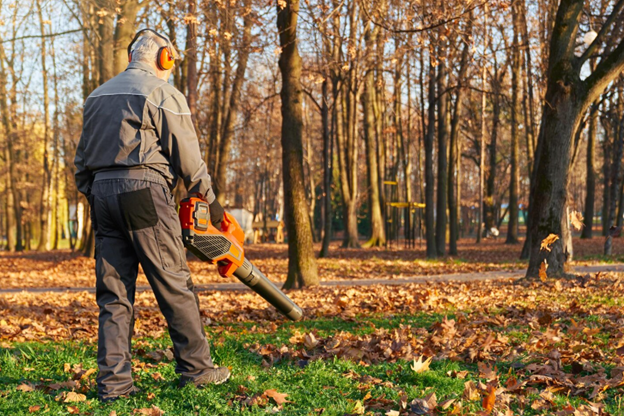
The Role of Proper Mowing in Turf Longevity
Correct mowing is one of the most important factors in lawn health. Improper cutting height or irregular schedules stress the grass.
Effective Lawn Mowing Larchmont focuses on:
- Maintaining the right blade height for the grass type
- Avoid cutting more than one-third of the blade length
- Using sharp blades to prevent tearing
The grasses reduce the amount of sunshine on the soil, moisture stays and the grass becomes thicker when it is trimmed properly. This inhibits the growth of the weed and increases the life of the turf.
Soil Health and Nutrient Management
The growth of healthy turf begins at the ground level. Regular watering does not guarantee the growth of grass due to soil compaction and an imbalance of nutrients.
A professional lawn plan typically includes:
- Scheduled fertilization based on soil needs
- Aeration to relieve compaction and improve airflow
- Overseeding to maintain density in thin areas
These steps support consistent growth and help turf recover faster after summer heat or heavy use.
Weed and Pest Control as Preventive Care
Weeds and insects are direct competitors of grass in terms of nutrients and space. On their own, they reduce the life of turf.
Preventive lawn programs focus on:
- Pre-emergent weed control
- Targeted treatments for grubs and surface pests
- Monitoring seasonal threats before damage spreads
This proactive approach keeps turf stable and avoids costly repairs later.
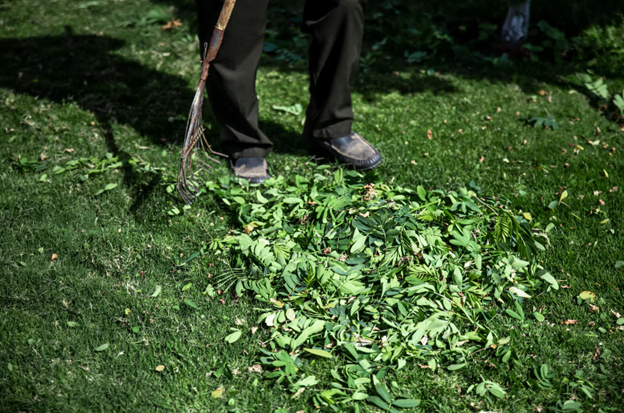
Why Ongoing Service Outperforms One-Time Treatments
A single treatment cannot address changing lawn conditions throughout the year. Seasonal shifts require adjustments in care.
A structured Lawn Service Armonk NY plan adapts to:
- Spring growth cycles
- Summer stress and heat management
- Fall recovery and root development
Ongoing service ensures turf stays resilient year-round, not just during peak growing months.
Conclusion
By maintaining your lawn on a regular basis, you prevent your turf which may decline prematurely and then cost you a lot to restore. Routine mowing, soil maintenance and prophylactic treatments combine with each other to ensure that turf is sustained and that lawns are maintained throughout the seasons. When a person wants to achieve the same results and the strength of his lawn in the long term, a collaboration with a professional service can make a tangible difference. To have efficient, organized lawn care services, call Lawnsking.
FAQs
1. How often should a lawn be mowed for best turf health?
Most lawns benefit from weekly mowing during active growth, with adjustments during heat or drought.
2. Does fertilization really extend turf life?
Proper fertilization supports root development and improves resistance to stress and disease.
3. Is aeration necessary every year?
For compacted or high-traffic lawns, annual aeration significantly improves soil health and turf longevity.
4. What is the biggest mistake homeowners make with lawn care?
Inconsistent maintenance. Skipping routine care weakens turf and leads to long-term damage.