
Larchmont is unique in that it faces a serious challenge of keeping a healthy lawn due to its coastal position. Grass growth and soil conditions are influenced by salt air, changes in the moisture content, heavy rain and seasonal changes in temperature. Thinning turf, more weeds, or pests are common to homeowners in coastal Westchester in comparison to those in inland areas. Learning about the effects of weather on the coast on lawns would assist homeowners in making more appropriate choices for yearly care. This blog describes the primary environmental influences on Larchmont lawns and provides practical steps of lawn care that are beneficial to promote the long-term health of turf in maritime environments.
The Role of Coastal Climate in Lawn Health
Salt Air and Soil Stress
Coastal breezes carry salt particles that settle on grass blades and soil. Over time, salt buildup can:
- Reduce grass water absorption
- Stress root systems
- Slow nutrient uptake
The exposure to salt is the most evident during springs and late summer. Frequent conditioning of soils and balanced fertilization will reduce this stress and will aid in recovery.
Humidity and Disease Pressure
Higher humidity near the coast creates favorable conditions for lawn diseases. Prolonged moisture on grass blades increases the risk of:
- Fungal growth
- Brown patches
- Uneven turf color
Proper mowing height, seasonal treatments, and airflow management are essential in humid coastal environments.
Rainfall Patterns and Drainage Issues
Heavy Rain and Soil Compaction
Larchmont experiences periods of intense rainfall, which can compact soil and limit oxygen flow to roots. Compacted soil leads to shallow root growth and weak turf.
Effective lawn programs often include:
- Core aeration to relieve compaction
- Overseeding to strengthen turf density
- Soil amendments to improve drainage
These steps help lawns absorb water properly instead of pooling on the surface.
Nutrient Runoff Risks
Excess rain can wash nutrients away before the grass fully absorbs them. This makes timing and application methods critical. Controlled, scheduled fertilization prevents nutrient loss while supporting steady growth.
Coastal Weather and Pest Activity

Tick and Insect Conditions
Wet and shade spots formed by coastal weather suit well with the ticks and insects. Natural frontiers, trees and fences are particularly susceptible.
The Professional Tick Control Armonk programs are based on the elimination of the pest habitats and attention to the high-risk zones of the lawns. Regulatory treatments reduce the number of ticks but do not damage grass health.
Seasonal Lawn Care Adjustments
Spring and Summer Focus
During warmer months, coastal lawns require close monitoring. Key priorities include:
- Weed prevention before peak growth
- Balanced fertilization that avoids overfeeding
- Moisture management to reduce disease
Homeowners working with Lawn Service Armonk NY providers often benefit from region-specific treatment schedules designed for coastal weather shifts.
Fall Recovery and Preparation
Autumn is a very serious period in the coastal lawns. When it is cooler, turf gets to recover from summer stress. This period assists in aeration and seeding to restore the root strength prior to winter.
Why Local Experience Matters
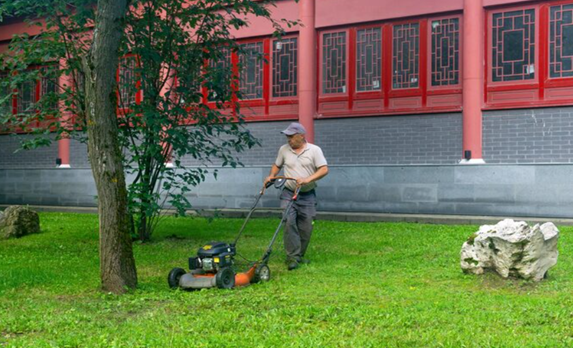
Coastal lawns need care plans based on local climate data, soil types, and seasonal trends. Generic lawn programs often miss these factors, leading to inconsistent results. Homeowners across Westchester rely on Lawn Service Armonk NY, professionals who understand how coastal weather influences turf performance year-round.
Conclusion
The weather along the coast influences all the conditions of the lawns, such as soil, pests and so on, in Larchmont. Exposure to salt, high humidity, excessive rain, change of seasons are some conditions that demand specific care measures. With the right timing, remedies and local knowledge, the homeowners are capable of keeping thick and healthy lawns even in the coastal challenges. To have a reliable lawn maintenance service sustained in the area, rely on the experience of Lawn King. Would you like assistance with assessing the coastal stress factors of your lawn?
FAQs
1. How does coastal weather affect grass growth in Larchmont?
Ans: Salt air, humidity, and heavy rainfall can stress grass, weaken roots, and increase disease risk if not managed properly.
2. Is aeration important for coastal lawns?
Ans: Yes. Aeration helps relieve soil compaction caused by frequent rain and improves oxygen flow to roots.
3. Why is tick control important in coastal areas?
Ans: Moist, shaded environments near the coast create ideal conditions for ticks, increasing exposure risk for families and pets.
4. When is the best time to treat coastal lawns?
Ans: Spring and fall are key seasons for fertilization, weed control, aeration, and seeding to support long-term lawn health.